
Speech & Language · 5 October 2026
Can Recurrent Ear Infections Affect a Child's Speech?
By the HearMax Centre team

Children get ear infections often; it is one of the most common reasons for paediatric visits anywhere. Usually they resolve without lasting effect. But when infections recur — or fluid lingers in the middle ear — the listening problem can start affecting the speaking.
How the chain works
A persistent middle ear infection or fluid reduces how much sound passes through to the inner ear. The child still hears, but not clearly — sounds arrive muffled, speech loses its detail, and the fine high-pitched consonants that carry meaning are the first to go.
A child cannot complain about muffled hearing. What the family sees instead is a child who:
- Seems not to respond when called, especially from another room
- Says "eh?" or asks for repetition
- Turns the television up louder than siblings
- Has speech that sounds different from peers, or vocabulary that is not growing
- Is inattentive in class — or "not listening"
Over time, unclear input leads to unclear output. Speech sound patterns and language development are built from what the child actually hears — and a hearing loss during the critical language years can delay both.
The signs worth acting on
Recurrent ear pain, discharge from the ear, repeated episodes of muffled hearing, or any change in your child's speech or listening behaviour. Also watch for a child who has stopped responding as reliably as before — changes in response matter, not just verbal replies.
Nigerian context adds a couple of specifics: repeated untreated infections and certain medications that affect hearing are recognised causes of hearing loss in children, and early identification changes outcomes.
What parents should do
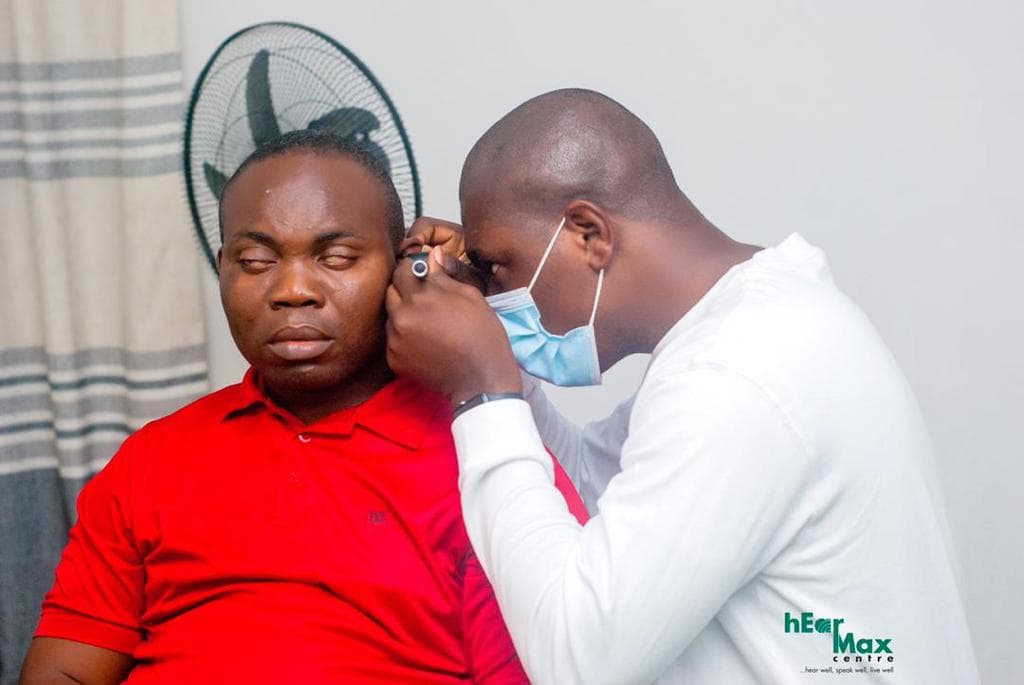
- See a medical professional about persistent infections. Ear infections need treatment in their own right — "waiting it out" for the fourth episode is not a plan.
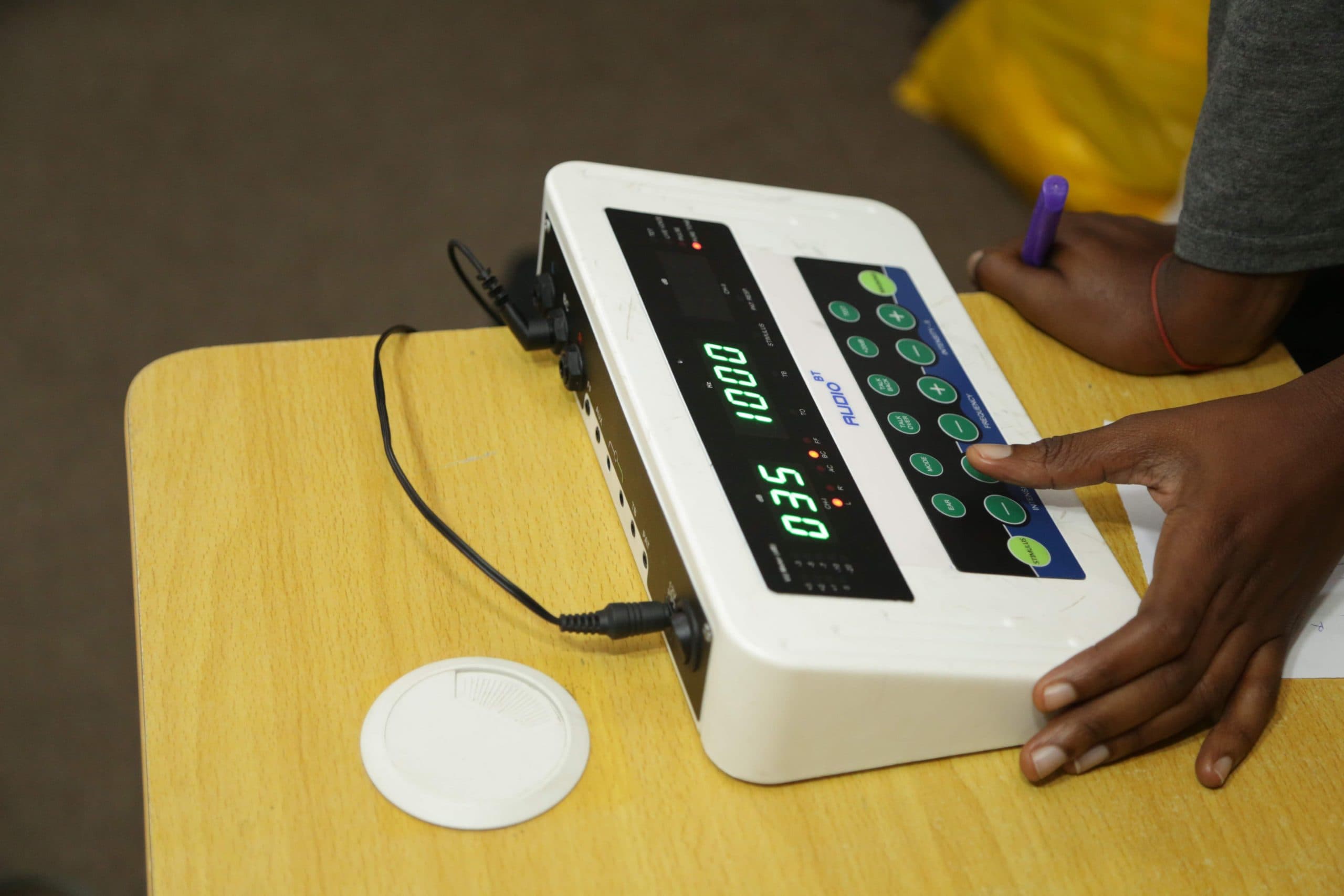
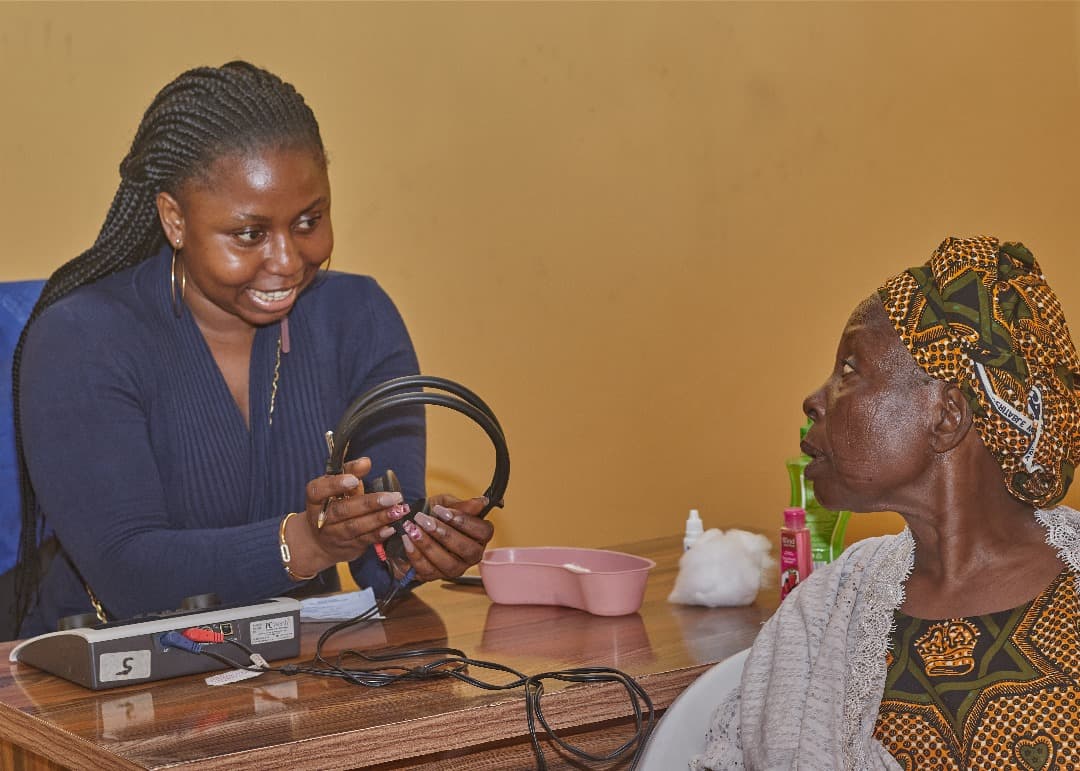
- Check the hearing. A quick audiological assessment tells you whether sound is getting through clearly enough for speech development.
- Assess speech and language alongside it. Hearing and speech should be looked at together, not separately — they influence each other.
- Keep language rich at home — reading, songs, rhymes and conversation help while any issue is being addressed.
The reassuring part: most of this is very manageable. Fluid resolves or is treated, hearing clears, and with timely assessment — and therapy where needed — children catch up. The risk is not in seeking help; it is in assuming they will grow out of it unassessed.
Recurrent ear infections or speech concerns? Book a joint hearing and speech assessment: WhatsApp 0808 680 4931 · Speech & Language Therapy at HearMax Centre, New Bodija, Ibadan.
More articles
Keep reading
Ready to take the first step towards better hearing?
Book a free consultation today — or get weekly hearing & speech tips on WhatsApp.