
Hearing Care · 30 July 2026
Choosing the Right Hearing Aid: A Practical Guide
By the HearMax Centre team
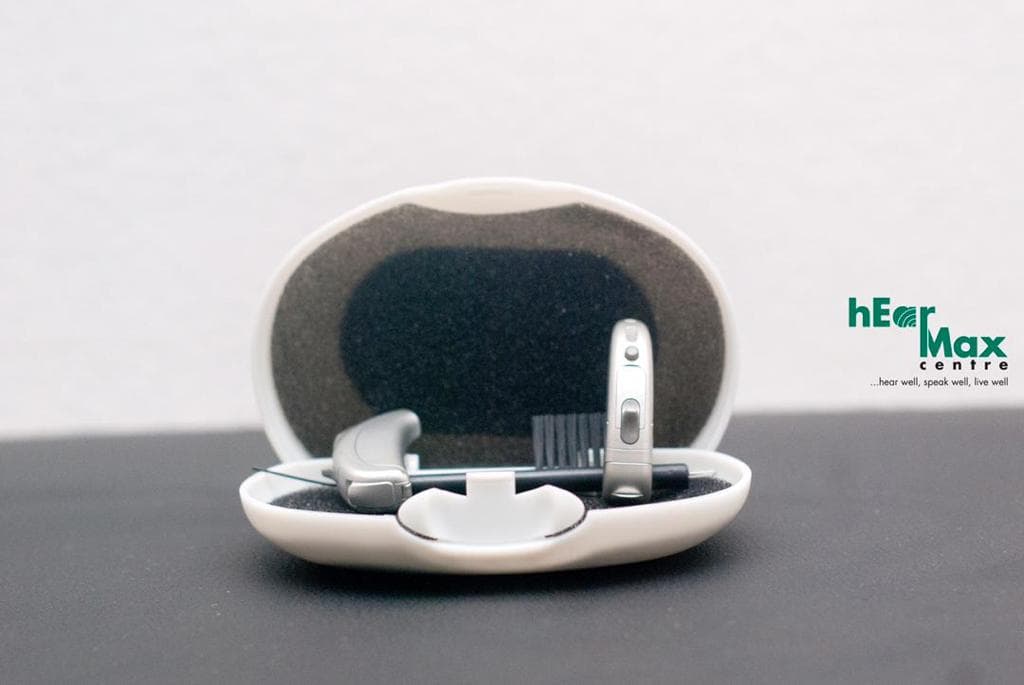
With so many hearing aids on the market, choosing one can feel overwhelming. The good news: you don't need to understand the technology to make a good decision. You need to understand your own hearing, your lifestyle, and your budget — and let the rest follow.
Step one: know your hearing profile
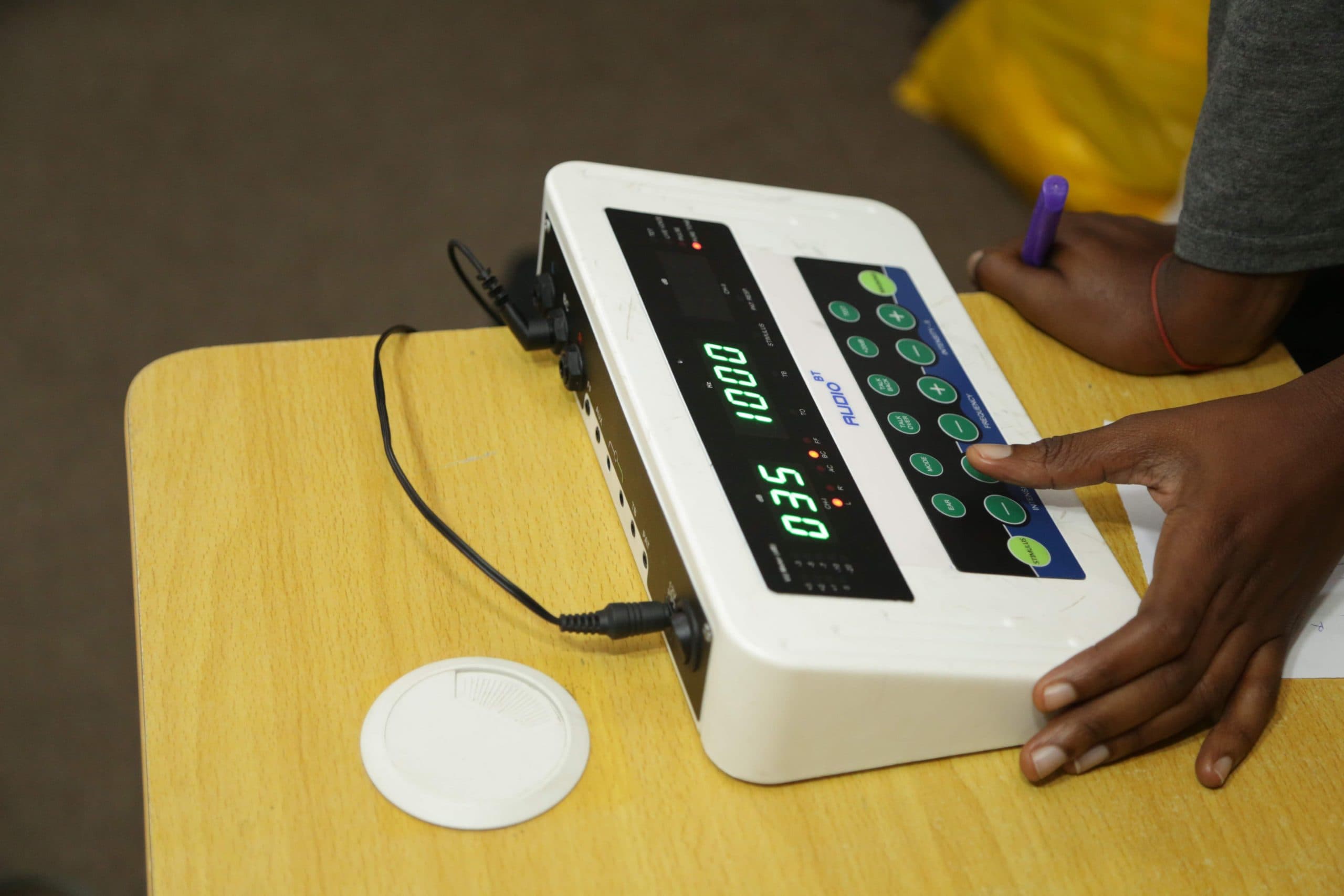
No hearing aid is right or wrong on its own — only right or wrong for your audiogram. The type and degree of hearing loss determine which styles and power levels are suitable. This is why a proper hearing evaluation comes first. Buying a device before testing is like buying glasses without an eye exam: you might get lucky, but you probably won't.
Understanding the main styles
Behind-the-ear (BTE) sits over the ear with a tube or wire leading into an earmould or dome in the ear canal. It is the most versatile style: suitable for mild to profound loss, easy to handle, and comfortable for a wide range of ears. If flexibility matters most, BTE is usually the safe choice.
Receiver-in-ear (RIC) is a smaller, lighter version of the BTE where the speaker sits inside the ear canal. It is popular for its discreet appearance and natural sound quality, and suits mild to severe loss.
In-the-ear (ITE) is custom-made to sit inside the outer ear. It is less visible than a BTE but slightly harder to handle — worth considering if cosmetics are a priority and dexterity is fine.
Completely-in-canal (CIC) fits almost entirely inside the canal and is the most discreet option. Trade-offs: smaller battery, fewer features, and it suits only mild to moderate loss.
Features worth considering
- Rechargeability — removes the fiddle of tiny batteries entirely. For most people, especially older adults, this single feature improves daily use more than any other.
- Bluetooth connectivity — streams phone calls, videos and music directly to the aids. Valuable if you spend time on calls or enjoy audio.
- Noise handling — better devices separate speech from background noise. If you spend a lot of time in busy or noisy environments, this is where the price difference shows.
- Durability and moisture resistance — important in Ibadan's climate and for active lifestyles.
Features add cost, so match them to how you actually live rather than to a spec sheet.
The budget question
Hearing aids at HearMax Centre start from ₦150,000 upward — prices vary depending on the technology, features, level of hearing loss and individual hearing needs — and we offer pocket-friendly payment plans so you can pay in full or spread the cost. Two points are worth remembering:
- You are usually buying a pair. Most people have loss in both ears, and listening with one aid when both ears need support creates an unbalanced, fatiguing experience.
- The price includes more than the device: the fitting, the fine-tuning appointments, guidance on use, and — with any hearing aid purchased from us — complimentary annual hearing tests for the lifetime of the device (subject to our service terms).
Fitting matters more than the box
A hearing aid is not "set and forget". It is programmed to your specific hearing test, then adjusted over follow-up visits as your brain adapts. People who abandon hearing aids quickly often did so because of a poor fit or unrealistic expectations, not because the technology failed them.
Give yourself a few weeks of consistent use. Most users report that the first fortnight feels strange — and that by month two, they wonder how they managed without it.
The simplest next step
Start with a free consultation. Bring your questions, get tested, and see the options in person. A good fitter will tell you honestly when a cheaper device is perfectly adequate for your situation — and when spending more genuinely buys you something.
More articles
Keep reading


Ready to take the first step towards better hearing?
Book a free consultation today — or get weekly hearing & speech tips on WhatsApp.