Hearing Care · 3 October 2026
Hearing Protection for Nigerian Factory Workers
By the HearMax Centre team

Occupational hearing loss is completely preventable — and completely common. In Nigerian industries from grinding and welding to sawmills, generators, airports and construction, workers lose hearing gradually over years, usually without noticing until the damage is well advanced.
Here is what every factory owner, site manager and worker should know.
The simple test for a dangerous workplace
There is one reliable field test: if you must raise your voice to be understood by someone an arm's length away, the noise is damaging. Sound above roughly 85 decibels — a noisy generator, a grinding wheel, a busy workshop floor — becomes hazardous with prolonged exposure, and the risk climbs as volume and time combine.
Two levers control the risk: how loud and how long. Halving your distance from a machine roughly doubles its intensity — the same equipment is far less dangerous at 10 metres than at 1.
What effective protection looks like
1. Reduce the noise at source. Maintain and service machines — worn bearings and loose parts are loud. Isolate noisy equipment where possible.
2. Engineering and scheduling controls. Rotate staff out of high-noise tasks to limit duration. Build quiet breaks into shifts. Use barriers and distance.
3. Personal protective equipment — worn properly. Earplugs and earmuffs only work when they are worn for the whole exposure and fitted correctly. PPE that lives in a pocket protects nobody.
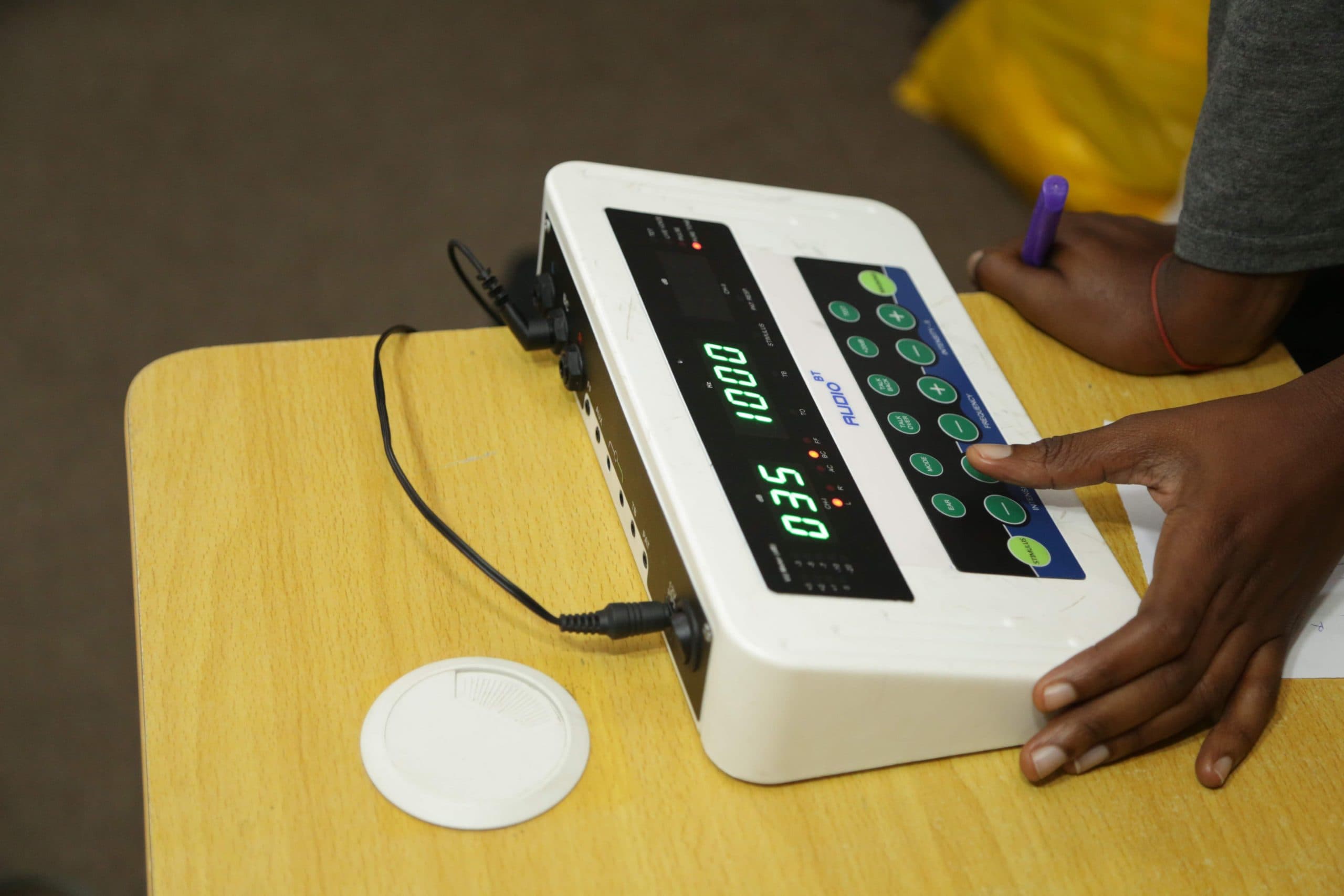
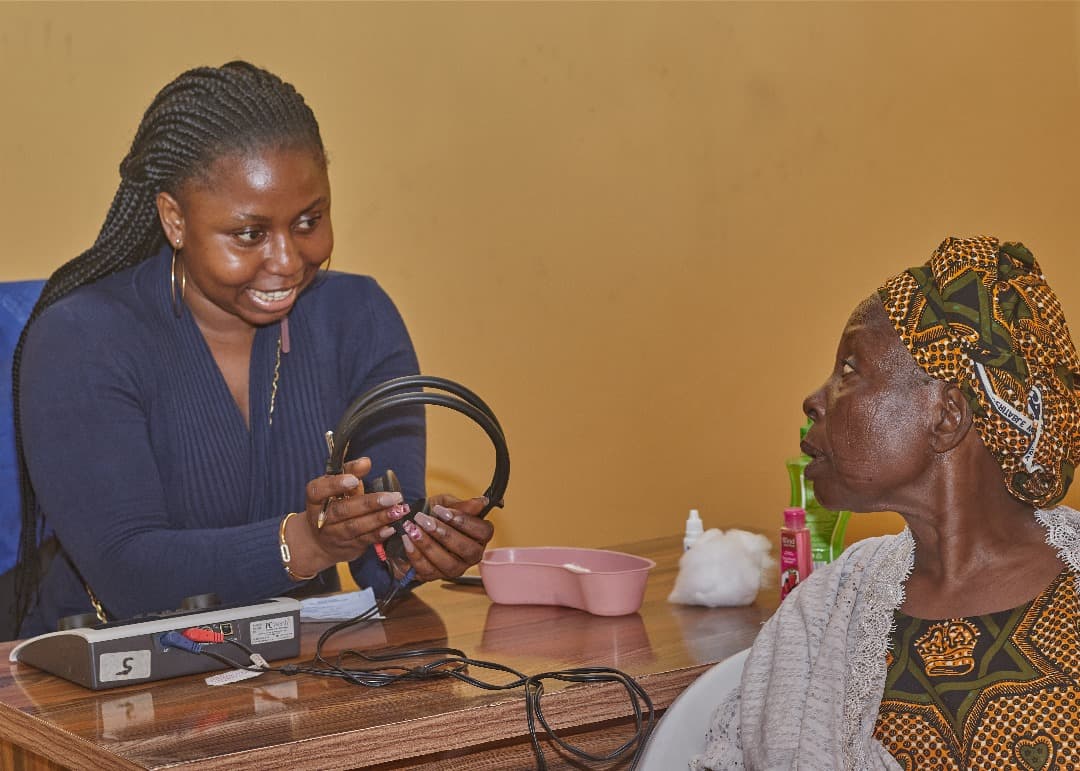
4. Audiometric screening. Test workers on entry, then periodically. A baseline gives employee and employer a reference point, and repeat testing detects change while it is still small — and while the environment can still be fixed.
5. Training. Workers who understand that ringing after a shift is a warning — not something to tough out — are more likely to report early.
Why screening pays for itself
Noise damage shows up first as difficulty following speech in noisy conditions — which reads as inattention, mistakes and reduced productivity long before anyone links it to hearing. Hearing lost to noise does not grow back. Prevention costs a few hundred naira and a habit; recovery costs years of adaptation.
Warning signs worth acting on: ringing after a shift, muffled hearing that recovers by morning, and voices going fuzzy in busy conditions.
Screening programmes that come to you
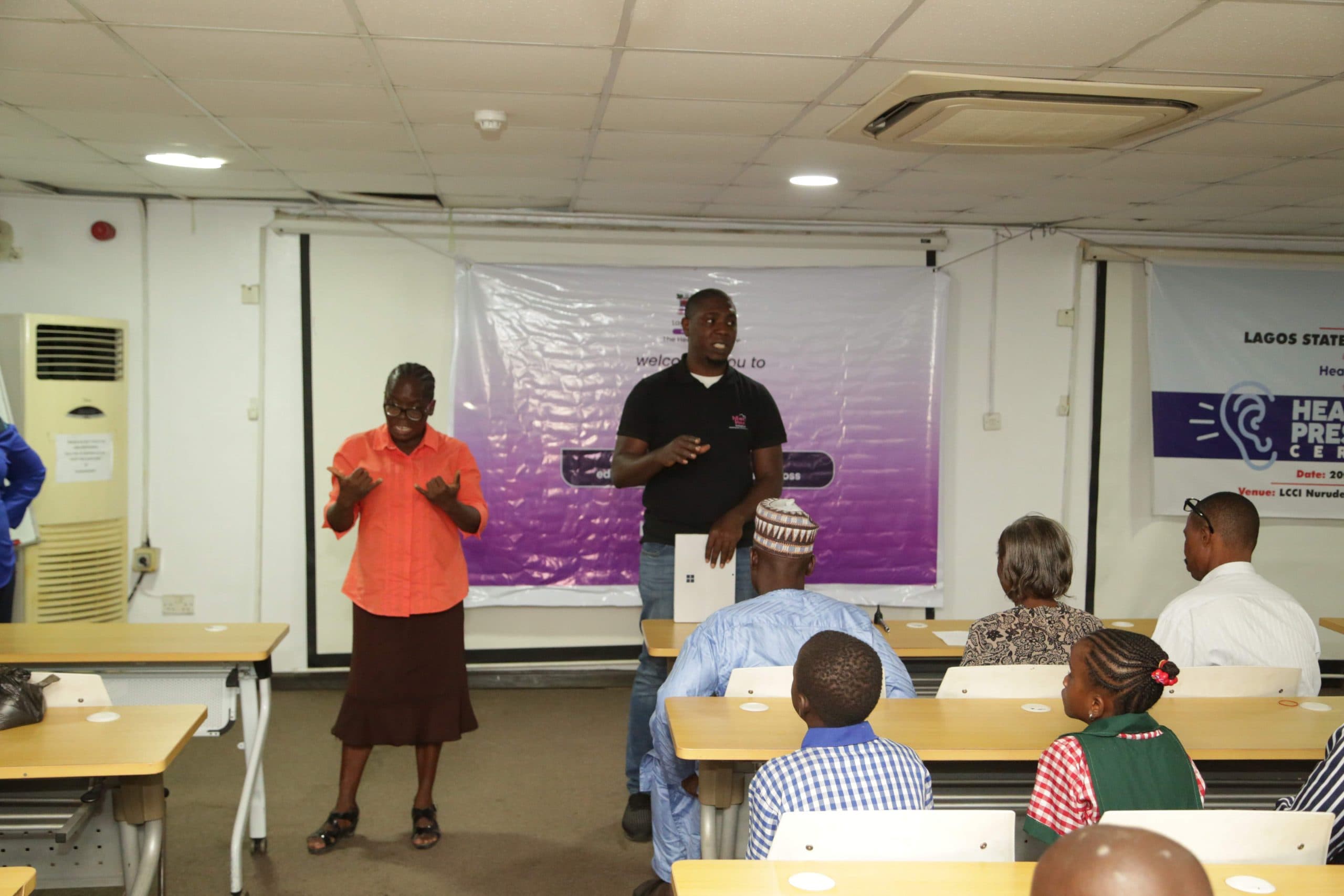
HearMax Centre develops and implements school and occupational hearing screening programmes — we come to your site and screen your team, then give you clear results for each worker.
Plan a screening for your organisation: WhatsApp 0808 680 4931 · HearMax Centre, New Bodija, Ibadan · Serving organisations across Nigeria where arrangements allow.
More articles
Keep reading
Ready to take the first step towards better hearing?
Book a free consultation today — or get weekly hearing & speech tips on WhatsApp.